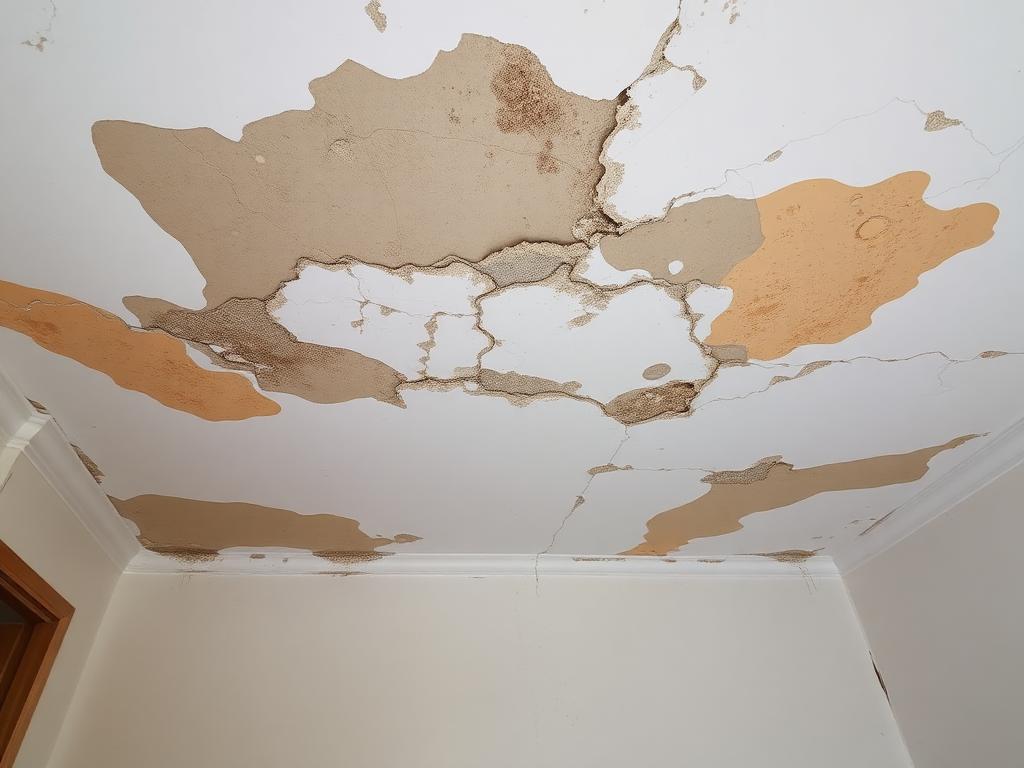
Fire & Flood Renovation in East Kent
After a fire or flood, the visible damage is only part of the picture. Hidden moisture, affected services and weakened materials need assessment before rebuilding begins. Quantum Eco helps East Kent homeowners plan strip out and renovation, working alongside loss adjusters or insurers where there is a claim. Our role is to agree the building work and coordinate the relevant trades, not to make assumptions about what a policy will cover.
Safety and assessment come before clearance
Do not re-enter an unsafe property or switch affected services back on simply to see whether they still work. Fire and flood damage can create risks that are not obvious from the doorway. Follow the advice of emergency services and the appropriate specialists, and arrange assessment of structural and electrical concerns before building activity begins.
Once safe access is established, the scope needs to identify affected areas and any investigations still required. Water may have travelled beyond the visibly damaged room, while heat and smoke can affect materials differently. A careful record of conditions helps distinguish work that is clearly needed from items that require further assessment before decisions can responsibly be made.
Keep the claim and building scope aligned
If you have an insurance claim, contact your insurer promptly and follow its instructions about evidence and authorisation. Photographs and an inventory may be needed before damaged materials are removed, where it is safe to record them. Urgent safety measures and permanent reinstatement can involve different decisions, so clarify the process rather than assuming all work can proceed immediately.
We can work alongside your loss adjuster or insurer on the proposed building scope where you have a claim. Policy cover, settlement and approval remain matters between you and the insurer. The written construction scope should reflect what has actually been agreed, including how any improvements beyond reinstatement will be separated from the damage-related work.
Strip out only what the assessment supports
Damaged plasterboard, flooring, insulation and fittings may need removal to expose affected areas and enable treatment or drying. The extent depends on the incident and the materials involved. Indiscriminate strip out can destroy useful evidence or remove sound components, while leaving damaged layers concealed can compromise the rebuild, so the boundaries need a considered approach.
Older properties may contain materials requiring a separate survey or specialist handling before disturbance. The method of removal and waste arrangements should account for those findings. We discuss protection of retained areas and access routes as part of the scope, keeping the demolition stage connected to the assessment rather than treating clearance as a task with no technical dependencies.
Drying is a condition, not a date
After water damage, a surface can look dry while moisture remains within the floor or wall build-up. Appropriate drying and moisture assessment need to establish when the materials are ready for reinstatement. Depending on the incident, that may involve specialist drying equipment and advice, with the method suited to the construction rather than simply applying heat to every room.
Closing up too early can trap moisture behind new finishes and create further problems. The programme should therefore depend on the necessary checks, not a fixed decoration date chosen before the extent of damage is understood. We coordinate rebuilding around the agreed drying and assessment requirements, with any separate specialist responsibilities identified in the scope.
Reinstatement for homes across East Kent
Quantum Eco works across Broadstairs, Ramsgate, Margate, Canterbury, Herne Bay, Whitstable, Dover and wider East Kent. Each incident has its own cause and pattern of damage. A coastal address alone does not establish why water entered a building, and repairing internal finishes without addressing the source can leave the property exposed to the same problem again.
Reinstatement may include masonry repairs, plastering, flooring, kitchen or bathroom work and the associated services. Where structural elements are affected, the appropriate engineer and building control input should be obtained. Confirm consent requirements with the council for your address, particularly where significant reconstruction or alterations to a listed property are proposed.
- Broadstairs
- Ramsgate
- Margate
- Canterbury
- Herne Bay
- Whitstable
- Birchington
- Westgate-on-Sea
- Deal
- Sandwich
- Minster
- Cliftonville
- Faversham
- Dover
Rebuild with a clear decision record
Once the scope and conditions are ready, the trades need a practical sequence from repairs and first fix through to finishes. Product choices should be confirmed in time for their installation requirements to be coordinated. If you choose to alter the layout during the renovation, record the change separately so its effect on design, approval and cost can be understood.
Customers mention Quantum Eco keeping them informed through videos and phone calls, which can be especially useful when a damaged home cannot be occupied. Discuss contact arrangements with Charles and agree how variations and outstanding decisions will be recorded. The aim is a clear route through a difficult project, without promises about claim outcomes or a universal recovery timescale.
Fire & Flood Renovation: common questions
Should I contact you or my insurer first?
If you intend to claim, notify your insurer promptly and follow its instructions about evidence, emergency work and authorisation. Safety takes priority, with emergency services or appropriate specialists involved where needed. We can then discuss the building scope in the context of the assessment and any agreed claim process.
Are you insurance approved?
We do not claim insurance-approved status. Where a homeowner has a claim, we can work alongside the insurer or loss adjuster on the building scope. You should confirm your insurer’s requirements directly and establish what is authorised before committing to reinstatement work or assuming that a proposed item will be covered.
Can rebuilding start as soon as surfaces feel dry?
Not necessarily. Moisture may remain within walls, floors or insulation even when the face feels dry. Appropriate assessment should establish readiness for the proposed reinstatement. The drying method, construction and incident all matter, so closing up should follow the relevant checks rather than appearance alone.
Will fire-damaged plaster always need replacing?
The required action depends on the material, heat exposure, smoke contamination and assessment of the affected area. Some damage may extend beyond visible marks. The scope should follow appropriate investigation and treatment advice rather than assuming every surface can be cleaned or that every surface must be removed.
Can we improve the layout while repairs are done?
You can consider changes, but separate them clearly from damage reinstatement. Layout alterations may require design input, building regulations approval or other consent, and your insurer may not cover improvements. Agree the additional scope and its implications before work proceeds so responsibilities and decisions remain clear.
How is the renovation programme agreed?
It depends on assessment, authorisation where relevant, drying conditions, design information and the extent of rebuilding. Some stages cannot be fixed until earlier checks are complete. We discuss a project-specific sequence and the points at which decisions can be confirmed, without promising a standard recovery period for every incident.
Discuss your fire & flood renovation plans
When you are ready to discuss the rebuilding work, call Charles on 07888 775897. Arrange a free site visit and free quote with the assessment, claim arrangements and reinstatement scope considered together.